Explainer: Hawthorn's New Downtown Parking Rules Start Next Month
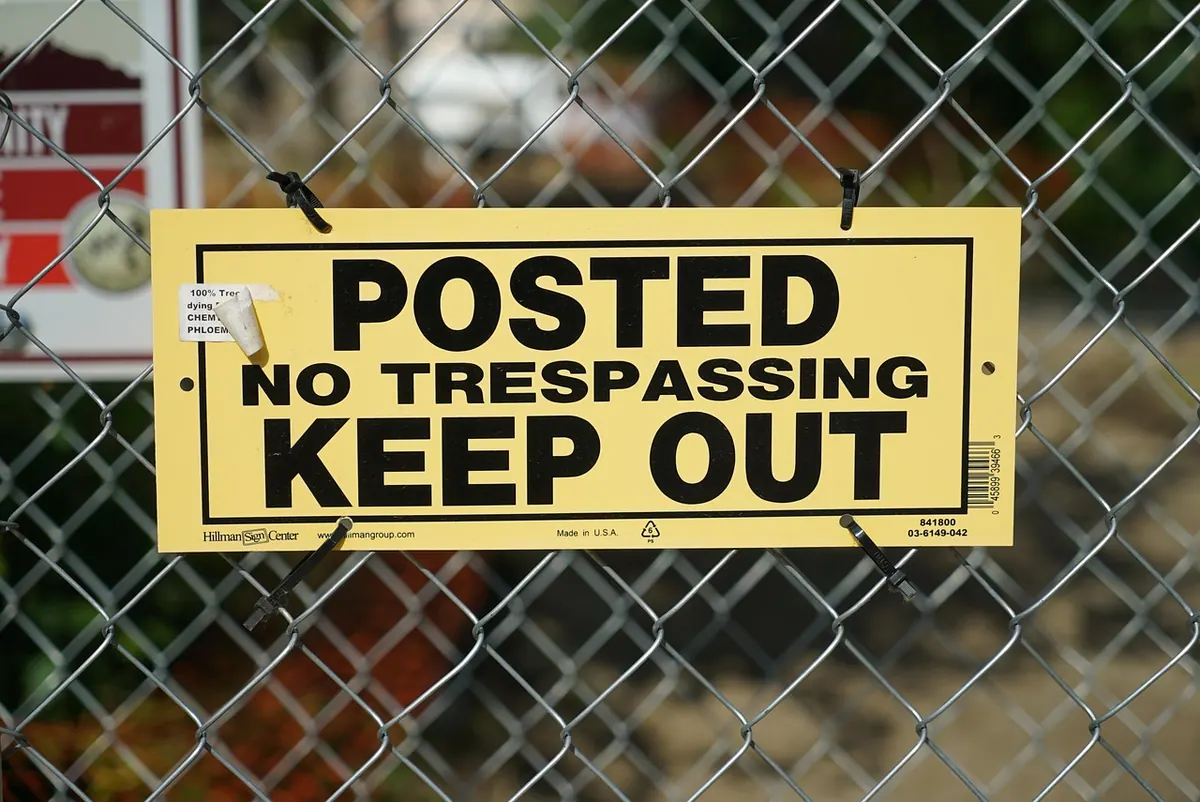
If you park downtown, next month's changes will reach into your routine and possibly your wallet. The short version: meters run later, permits get stricter about who qualifies, and enforcement becomes more consistent. None of that is complicated, but the details are the kind that only matter when you're the one with a ticket under the wiper.
Here's what actually changes, who it hits hardest, and what to sort out before the first of the month.
The biggest shift is the end of the free evening. Under the old rules, meters stopped mattering in the late afternoon, which made the after-work trip to the pharmacy or the hardware store easy. That window closes next month. Enforcement extends into the evening on weekdays, and Saturdays are no longer a free-for-all, at least through the morning.
Sundays and the city's observed holidays stay outside enforcement, but check the official list before you count on it. Assuming a random Monday is free is one of the most common and most avoidable mistakes downtown. The parking office publishes the exact dates it observes, and that list doesn't always match what schools or banks do.
Feed the meter, or better, set up the payment app now while you're not standing in the rain. The app lets you extend a session from a table or a checkout line, and it keeps a record of what you paid, which is useful if a ticket shows up anyway. If you'd rather not use an app, learn where the pay stations sit on the blocks you use most. They take cards, and the receipt is your proof.
The new zones aren't one system but two, and mixing them up is how people end up with a ticket they thought they'd already solved.
Resident permits are for people who live inside a zone. Expect to show proof of address such as a lease, a utility bill or a mortgage statement, and to have your vehicle registered at that address. Permits usually go by licence plate rather than a sticker on the windshield, which means borrowing a friend's car for the night can get awkward. Cities handle guest passes differently; ask how visitors are supposed to park before you host anyone.
Employee permits are capped and tied to businesses inside the zone. Employers apply on behalf of staff, and demand will likely outrun supply. If you work downtown, ask your manager this week rather than the morning the rules start, when everyone else is asking too.
Parking is often written into a lease or left out entirely, and the two cases look identical from the street. Dig out your lease or email your landlord before you assume a permit is yours. If your building has a lot, find out whether it's covered by a separate arrangement that the new zones don't touch.
Streets bordering the new zones tend to absorb the overflow. Expect those blocks to draw more attention from enforcement in the first few months, and expect your neighbours to notice. If your street becomes a de facto commuter lot, that's a conversation for a council meeting, not a shouting match through a car window.
The city publishes the exact fee schedule on its parking page, and it's worth reading once. The structure is what matters day to day.
Most tickets can be paid early at a discount or appealed within a deadline printed on the ticket itself. Miss that deadline and the appeal usually closes no matter how reasonable you were. If you plan to contest a ticket, do it the same week: photograph the sign nearest where you parked, keep your payment record, and describe specifically what was wrong rather than explaining why you were in a hurry.
If a ticket would genuinely strain your budget, call the parking office before the due date. Payment plans and community service options exist in many cities, but they're almost always arranged in advance, not after a late fee lands. This is general information, not legal advice; for a dispute over a large penalty or a tow, a local attorney is the right call.
Daily commuters lose the cheap evening option and should price out the lot or the bus pass. Downtown employees without a permit should talk to their employer immediately. Residents inside the new zones come out ahead, but only if they apply. Visitors and anyone with a standing appointment should ask the business where their customers park, since a shop that has fed meters for years may have stopped. Delivery and service drivers need to watch how loading areas have been restriped. And if you have an accessible placard, check the posted sign at your usual spot, because spaces sometimes shift when zones are reorganised.
None of this requires a big life change. It requires one afternoon of reading signs and filling out a form, done before the rules start rather than after. Do that, and the new downtown parking system becomes background noise instead of a line item.
Photo: FreeToUseSounds / Pixabay
Previous Post
7 Common Recycling Mistakes Hawthorn Residents Make — and How to Fix Them
Next Post
Seasonal Checklist: Preparing Your Hawthorn Home for Storm Season