7 Common Recycling Mistakes Hawthorn Residents Make — and How to Fix Them
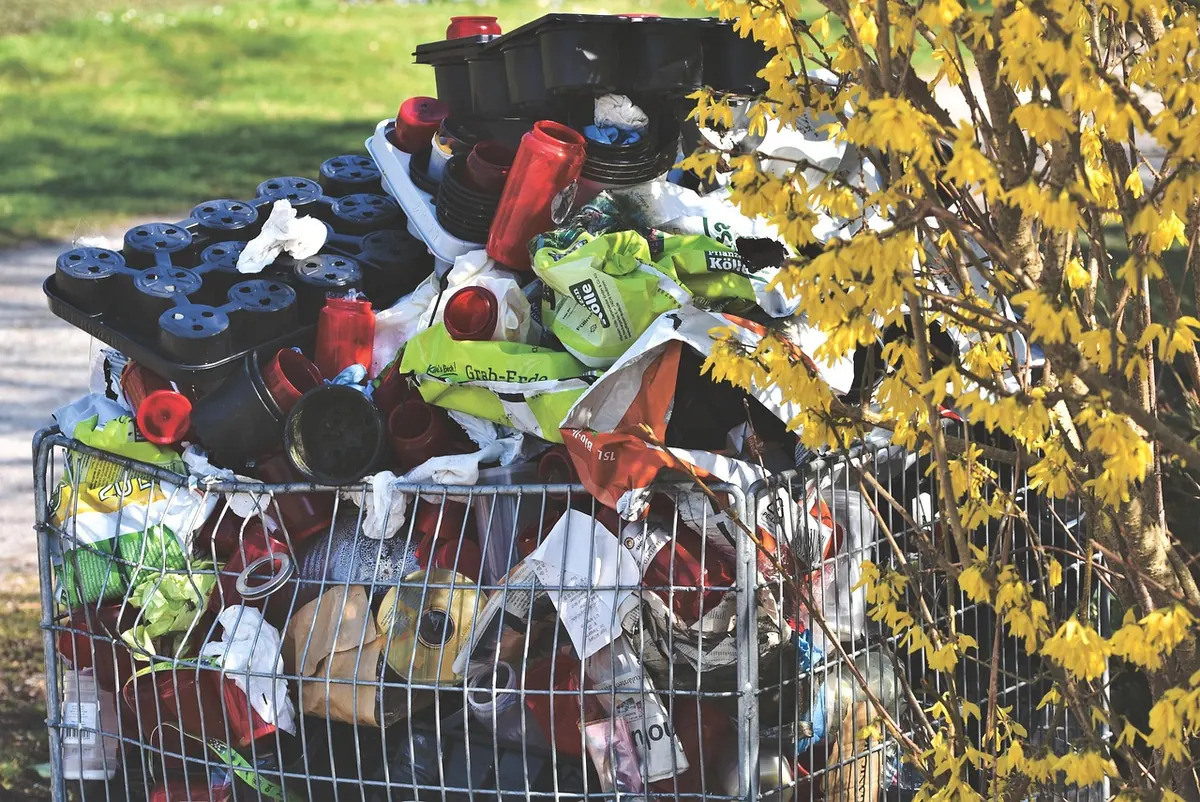
Most households wheel the bin out with good intentions and a rough idea of what goes where. Then a chip packet lands in with the cans, or a flat battery gets scooped into general waste, and the good intention causes a problem somewhere further down the line. Contamination is one of the main reasons recyclable material ends up in landfill, and it almost always starts with small, well-meaning decisions at the kitchen bench. None of the seven mistakes below are hard to fix. Most take a few seconds.
Chip packets, bread bags, cling film, bubble wrap, the plastic sleeve around a magazine. It's all scrunchable, and none of it belongs in the recycling bin. Soft plastics wrap around the rotating parts of sorting machinery, forcing staff to stop the line and cut them free.
There's a simple test: scrunch it in your fist. If it stays scrunched, keep it out of the recycling bin. If it springs back, it's usually rigid enough to be sorted correctly. Supermarket collection points for soft plastics have come and gone in recent years, so check what's actually operating near you before you stockpile a cupboard full of bags.
Wishcycling is the habit of tossing something into the recycling bin because you hope it can be recycled, without knowing whether it can. It feels harmless. It isn't. A single item that can't be sorted can affect a whole load, and small items jam equipment or end up as litter once sorting is done.
Newspapers, magazines, flattened cardboard, steel and aluminium cans, and glass bottles and jars are the backbone of kerbside recycling. If what you're holding isn't one of those, ask before you throw it in.
Two habits cause most of this. The first is leaving food in jars and takeaway containers. The second is bagging everything up, which turns the whole bag into one unsortable object — sorters can't open it, so it goes to landfill.
Scrape solids into the bin or compost, give the container a quick rinse, and shake it out. You don't need to scrub or dry it. A little residue is fine; a layer of peanut butter is not.
Clean cardboard is recyclable. Soaked, cheesy cardboard isn't. Tear the dry lid off and recycle that, and put the greasy base in general waste or a green organics bin if your council accepts food waste there. Check your council's guide, because rules differ between facilities.
Loose containers go into the recycling bin by themselves — not stacked inside each other and never inside a plastic bag.
This is the mistake with real consequences. Batteries and vapes dropped into a kerbside bin can be crushed in the truck or at the sorting facility and start a fire. Those fires put workers and collection vehicles at risk, and they happen more often than most people assume.
Never put these in any kerbside bin, recycling or general waste:
Take them to a dedicated drop-off. Many councils run e-waste and battery collection points, hardware stores often accept batteries, and some supermarkets keep a bin near the entrance. Store them in a jar or container out of the sun until you go.
"Compostable" cups, cutlery and bin liners are not recyclable. They look like plastic, sort like plastic, and in a kerbside recycling stream they become contamination. Whether they can go in your green organics bin depends on what your council's processor accepts, and some don't take them at all.
In the green bin, keep it to garden clippings, leaves, prunings and food scraps if your council allows them. Leave out plastic bags, treated timber, soil, kitty litter, tea bags with plastic seals, and anything you're unsure about. If you have a food and garden organics bin, it's usually the easiest way to cut what your household sends to landfill.
Some things simply don't belong in a kerbside bin, and forcing them there creates more work for everyone. Your council's transfer station or resource recovery centre is the right destination for large volumes of cardboard, tricky plastics, e-waste, scrap metal, paint and garden waste.
Before you bin something useful, think about a second life. Op shops take clean clothing, books, furniture and working appliances. Community groups and childcare centres often want craft supplies and clean containers. And where a container deposit scheme operates, drink containers with a deposit can be returned for a refund instead of going in the yellow bin.
Small setup changes beat willpower. Try this on the weekend:
If you're unsure whether something belongs in the bin, the safest option is almost always to leave it out and check. A slightly emptier recycling bin containing only what can be processed is worth far more than a full one that ends up in landfill.
Photo: Ralphs_Fotos / Pixabay
Previous Post
A Beginner's Guide to Speaking at a Hawthorn City Council Meeting
Next Post
Explainer: Hawthorn's New Downtown Parking Rules Start Next Month