How to Volunteer at Hawthorn's Annual River Clean-Up
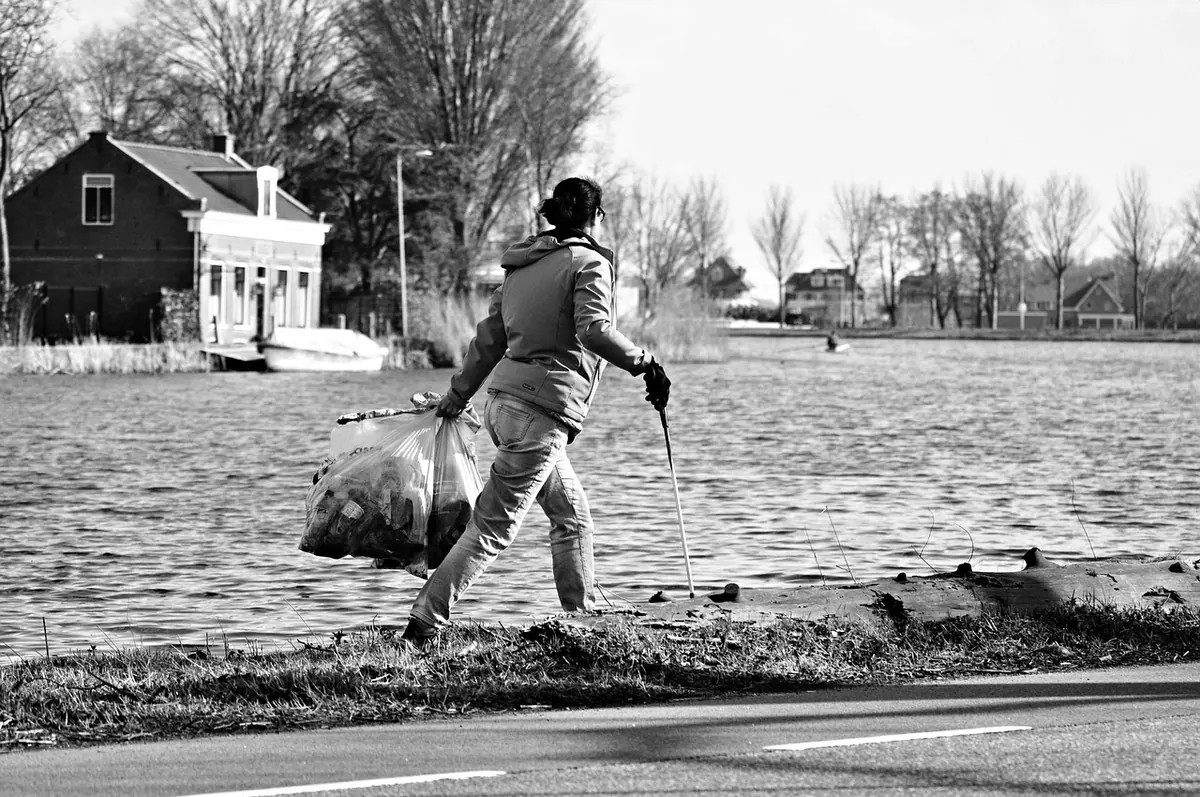
Every spring, the stretch of river that runs through Hawthorn gets one long morning of undivided attention. Volunteers spread out along the banks, wade into the shallows and push through the brush, filling bags with bottles, foam cups, tangled fishing line, shopping carts and, most years, at least one bicycle frame. By noon the pile at the staging area is a startling sight.
If you have been meaning to join but are not quite sure what you are signing up for, here is the short version: the work is simple, the gloves and bags are provided, and no experience is needed. You need a few free hours and shoes you don't mind ruining.
Most volunteers sign up online in the weeks beforehand. Registration usually opens about a month out and closes a few days before the event, so organizers can order enough gloves, bags and grabbers. The form asks for your name, contact details and whether you are joining as part of a team.
Groups — offices, scout troops, sports clubs, neighbourhood crews — can register together and request to be placed at the same site. If you are signing up a minor, expect a guardian consent field; volunteers under 18 generally need a parent or guardian to sign, and younger children should be paired with an adult for the whole morning.
Walk-ups are usually welcome, but it is not the best plan. Day-of volunteers often wait while site leaders redistribute supplies, and the most popular sections fill first. Confirm this year's date, registration link and weather policy on the city's events listing before you clear your calendar. If severe weather is forecast, organizers typically post a cancellation or postponement decision the evening before.
Check-in typically opens around 8:30 a.m. You will sign in, pick up gloves, a vest and bags, and get a short safety briefing — where to work, where the water is off limits, and what to do if you find something you should not touch. Then you are sorted into teams of roughly six to ten people, each with a site leader who knows the section and carries a first-aid kit and a radio.
From there it is three hours of steady, unglamorous work: bending, bagging, hauling, dragging. There is usually a mid-morning water break and a final push to get the bags back to the collection point. Around noon, volunteers help sort the haul into recycling, landfill and scrap metal, and most events wrap with something to eat. Check your registration confirmation for the exact schedule, since it shifts slightly from year to year.
The main staging area is usually near the riverside park, with satellite sites at a few of the bridges and trailheads upstream. Your confirmation email will tell you which one you are assigned to, and it is worth reading twice — showing up at the wrong end of the river means a long walk with a bag of garbage.
Parking is limited near the water. Carpool if you can, or bike in along the trail. Aim to arrive about fifteen minutes before check-in opens so you are not scrambling for a spot while the briefing starts. Bring everything you need from the car on the first trip; you will not want to walk back mid-morning.
Clean-up injuries are rarely dramatic — they are slips, cuts and sore backs. A few habits prevent most of them.
If you have a health condition that could be affected by a morning of bending, lifting or wading in cold water, talk to your doctor before the event.
Syringes, medical waste, propane cylinders and unmarked containers of liquid all turn up on riverbanks. Do not handle them. Mark the spot, step away and tell a site leader — they carry sharps containers and know the correct procedure. The same goes for injured or dead wildlife: report it, don't move it.
Families are welcome, and there is usually plenty of work for younger volunteers on the paved paths and grass sections, where the litter is easy to reach and there is no water to worry about. Organizers publish an age recommendation with the registration details; check it, and plan on one adult per two or three small children.
Teams make the morning easier and faster. If you register a group, nominate one person as the contact, agree on a meeting time, and tell your crew what to wear in advance — someone always turns up in white sneakers. Colleagues, neighbours and club members tend to stay longer when they are working the same stretch of bank together.
That is the whole commitment: one morning, a pair of old shoes and a willingness to bend down. You will finish with a cleaner river, a tired back and a very specific kind of local pride.
Photo: MabelAmber / Pixabay
Previous Post
Seasonal Checklist: Preparing Your Hawthorn Home for Storm Season
Next Post
Hawthorn High School Football Season Preview: 5 Games You Shouldn't Miss